

As South Sudan faces rising fuel costs and the global push for greener transport, the debate between hybrid and electric vehicles (EVs) is gaining momentum. For drivers navigating urban streets, unpaved roads, and areas with limited power access, the decision is complex. While zero-emission driving and fuel savings are attractive, infrastructure, maintenance, and costs play a critical role in determining the best choice. This guide evaluates Hybrid vs Electric Cars South Sudan to help motorists make informed decisions tailored to local conditions.
The Hybrid Advantage: Practical and Immediate
For most South Sudanese drivers today, hybrid vehicles provide the most realistic path toward greener transportation. A hybrid car combines a gasoline engine with an electric motor and a self-charging battery, optimizing efficiency and performance.
Key Benefits of Hybrids in South Sudan:
-
Eliminating Range Anxiety: Hybrids can be refueled at any petrol station, overcoming the lack of public EV charging infrastructure. For journeys between cities like Juba, Wau, or Malakal, this flexibility is invaluable.
-
Fuel Efficiency: By utilizing the electric motor in stop-and-go traffic and through regenerative braking, hybrids reduce fuel consumption substantially, helping families and businesses save money. Vehicles like the Toyota Aqua Hybrid and Honda Fit Hybrid often achieve 20–25 km per liter.
-
Familiar Maintenance: Hybrid vehicles share most components with conventional cars. Mechanics experienced with Japanese vehicles can service hybrids, and many spare parts are readily available, reducing downtime and repair costs.
-
Lower Environmental Impact: Hybrids reduce greenhouse gas emissions compared to traditional cars. Running partially on electricity in cities helps improve air quality, contributing to sustainability without compromising utility.
The Electric Vehicle Dream: A Future Investment
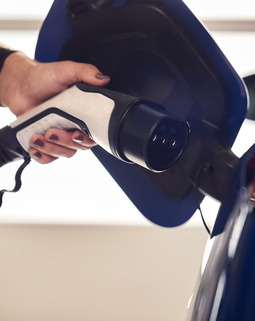
Electric vehicles offer zero tailpipe emissions and potentially massive fuel savings. EVs have fewer moving parts, require minimal maintenance, and promise a cleaner environment if powered by renewable electricity.
However, Hybrid vs Electric Cars South Sudan adoption faces challenges:
-
Limited Power Infrastructure: Electricity access is low and often unreliable, making EV charging impractical in many areas. Diesel generators used in homes reduce environmental benefits and increase costs.
-
Non-Existent Public Charging: Charging stations outside urban areas are virtually absent. Home charging requires a consistent power supply, which is rare in many regions.
-
High Purchase and Import Costs: EVs are expensive upfront, and import duties make them less accessible. Specialized parts and trained technicians are limited, increasing maintenance costs.
-
Battery Longevity: Extreme heat can accelerate battery wear, though warranties typically cover 8–10 years.
Making the Smart Choice
Given South Sudan’s current infrastructure, hybrid vehicles are the pragmatic option for most drivers. Hybrids offer fuel savings, reduced carbon footprint, and flexibility for long-distance travel without relying on an unreliable electricity supply. Popular models like the Toyota Corolla Fielder Hybrid or Toyota Aqua combine efficiency, affordability, and durability, making them suitable for both urban and rural travel.
EVs remain a long-term aspiration, contingent on expanding reliable and renewable electricity infrastructure. Until then, hybrids bridge the gap between sustainable mobility and practical everyday use.
For more insights on electric and hybrid vehicles in Africa, visit AfricaCarNews.
Which would you choose in South Sudan: a hybrid for flexibility or an EV for sustainability? Share your thoughts and experiences in the comments below!