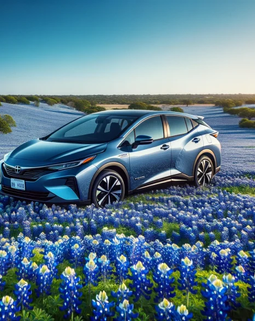



South Sudan is increasingly turning attention to South Sudan EV Adoption as a strategy to accelerate economic diversification, reduce reliance on oil exports, and position the nation in the global green mobility movement. With vast deposits of minerals such as lithium, copper, and rare earth elements—critical for electric vehicle batteries—government leaders and environmental officials see significant potential to grow both the EV market and the broader renewable energy economy. South Sudan’s mineral wealth could support battery production and attract future investments in clean transport technologies.
Electric vehicles themselves offer clear environmental benefits. Unlike traditional gasoline or diesel cars, EVs produce zero tailpipe emissions, contributing to cleaner air and lower carbon output. As the country expands renewable energy projects like the new solar plants in Juba, the emissions benefits of EVs will grow even further by leveraging cleaner electricity.
Minerals and the Green Mobility Opportunity
A major driver behind South Sudan EV Adoption is the global surge in demand for minerals essential to EV battery production. Worldwide, demand for cobalt, lithium, and copper is rising rapidly as manufacturers scale up production of electric vehicles and energy storage systems. Sub-Saharan Africa, including South Sudan, holds significant supplies of these resources, offering a strategic advantage in the emerging market for battery components.
Officials have warned that without proper regulation and local refinement capabilities, raw mineral exports may benefit other countries more than South Sudan itself. By developing facilities to process minerals domestically and creating local EV-related industries, the country could capture greater economic value, create jobs, and establish a foothold in the global clean tech supply chain.
However, tapping this potential requires careful policy planning. South Sudan’s mining sector still faces challenges related to infrastructure, governance, and regulatory frameworks—a common issue across many resource-rich African nations seeking to expand into the EV market.
Electric Vehicles and Renewable Energy Integration
For South Sudan EV Adoption to be successful, a reliable electricity infrastructure must accompany it. Recent developments, such as South Sudan’s first large-scale solar power plant, are important steps in this direction. This renewable energy project not only supplies power to thousands of households but also demonstrates how the country can support electric vehicle charging and sustainable transport systems anchored in clean power.
Urban centers like Juba are beginning to see increased interest in EVs, supported by emerging import platforms and buyer services that deliver electric vehicles with clear cost advantages over petrol cars. EV ownership can reduce operating costs significantly, as electric charging is often cheaper than gasoline, and EVs require less maintenance.
Policies to Accelerate EV Integration
Government leadership is crucial for expanding South Sudan EV Adoption. Crafting effective policies—such as tax incentives, import tariff adjustments, and investment in charging infrastructure—can make electric vehicles more affordable and accelerate uptake. Addressing barriers like the current underdeveloped power grid and limited public awareness will be necessary to realize widespread EV use.
Regional examples show that when governments actively support EV-friendly policies, adoption increases. Countries across Africa are exploring EV tax exemptions and incentives to make cleaner transport more accessible, a trend South Sudan could follow to strengthen its EV ecosystem.
Future Outlook for Electric Transport
As more South Sudanese consider electric mobility, the focus must remain on integrating South Sudan EV Adoption with renewable energy, local industry development, and sustainable resource management. By refining its mineral resources domestically and encouraging investment in clean technologies, South Sudan could position itself as a significant contributor to Africa’s electric vehicle future.
For more updates on EV progress and green transport initiatives across the continent, visit AfricaCarNews.
What do you think South Sudan should prioritize first to boost electric vehicle adoption—charging infrastructure, tax incentives, or local battery manufacturing? Let us know!