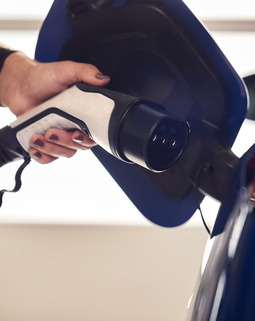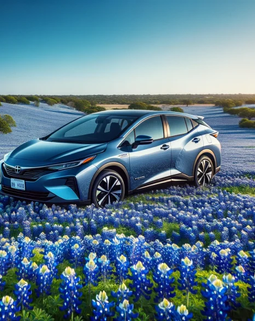



South Sudan’s automotive industry is gradually entering a new era as interest in the South Sudan new energy vehicle market continues to grow. While diesel-powered SUVs, pickup trucks, and commercial vehicles remain the backbone of transportation across the country, rising fuel costs, increasing environmental awareness, and advances in Chinese electric vehicle technology are creating new opportunities for cleaner mobility.
Although charging infrastructure is still in its early stages, electric and hybrid vehicles are beginning to attract attention from government agencies, businesses, and development organizations looking for cost-effective and sustainable transport solutions. As road infrastructure improves and investment in renewable energy expands, the automotive sector is expected to become more diverse in the coming years.
The Current Automotive Market in South Sudan
South Sudan's vehicle market is heavily dominated by imported used vehicles, particularly Toyota Land Cruisers, Hilux pickups, Nissan Patrols, and other durable four-wheel-drive models capable of handling challenging road conditions.
Demand remains strongest for reliable commercial vehicles, pickups, buses, and SUVs used by government departments, NGOs, construction companies, and private businesses. However, the introduction of modern hybrid and electric vehicles is beginning to reshape conversations around vehicle ownership, fuel efficiency, and long-term operating costs.
The growing availability of affordable Chinese electric vehicles and hybrids provides an alternative for urban motorists, especially in Juba, where daily driving distances are relatively short.
Why Electric Vehicles Are Gaining Attention
Several factors are encouraging interest in the South Sudan new energy vehicle market.
High fuel prices continue to increase the cost of operating conventional petrol and diesel vehicles. Electric vehicles offer significantly lower running costs while requiring less routine maintenance due to fewer moving mechanical parts.
Chinese manufacturers are introducing affordable electric cars equipped with advanced battery technology, intelligent safety systems, and modern infotainment features. These vehicles are making EV ownership more accessible across emerging African markets.
At the same time, South Sudan's abundant solar energy potential creates opportunities for future solar-powered charging stations, reducing dependence on traditional electricity networks.
Opportunities for Automotive Growth
The future of the automotive sector extends beyond passenger cars.
Commercial fleet operators could benefit from hybrid delivery vehicles that reduce fuel expenses while improving fleet efficiency. Government agencies may gradually adopt electric vehicles as part of sustainability initiatives, while NGOs operating in urban areas can lower operational costs through hybrid fleet solutions.
As vehicle demand continues to grow, opportunities will also emerge for local servicing, EV maintenance, technician training, battery diagnostics, and spare parts distribution.
Businesses involved in vehicle imports may increasingly expand their portfolios to include electric SUVs, passenger cars, and light commercial vehicles as consumer awareness grows.
For readers interested in the latest African automotive industry developments, vehicle launches, and mobility trends, visit AfricaCarNews for more updates.
Challenges Facing EV Adoption
Despite growing interest, several obstacles remain before electric vehicles achieve widespread adoption.
Charging infrastructure remains limited outside major urban areas, while many rural regions still experience unreliable electricity access. Poor road conditions also require vehicles with higher ground clearance and durable suspension systems.
In addition, EV technician training, battery servicing capabilities, and replacement parts networks are still developing. Continued investment in automotive infrastructure and skills development will be essential for supporting long-term electric vehicle adoption.
The Road Ahead for South Sudan's Automotive Industry
The South Sudan new energy vehicle market remains at an early stage, but the long-term outlook is promising. Continued investment in road infrastructure, renewable energy, and modern vehicle technology could gradually transform the country's automotive landscape.
Rather than replacing conventional vehicles overnight, electric and hybrid models are likely to complement existing fleets, particularly in urban transport, government operations, and commercial applications. As manufacturers continue introducing affordable EVs suited to African conditions, South Sudan has an opportunity to build a more sustainable, efficient, and technologically advanced automotive sector.
Conclusion
South Sudan's automotive market is steadily evolving beyond traditional internal combustion vehicles. While pickups, SUVs, and commercial vehicles will continue to dominate for years to come, growing interest in electric mobility signals the beginning of a new chapter for the country's transport sector. With improved infrastructure, greater investment, and expanding vehicle choices, the South Sudan new energy vehicle market could become an important driver of cleaner, more efficient mobility across the nation.
Join the Conversation
The automotive industry in South Sudan is entering an exciting period of transformation, with electric vehicles, hybrid technology, and sustainable mobility creating new opportunities for drivers and businesses alike. Stay informed about the latest vehicle launches, industry developments, and automotive innovations to make smarter decisions as the market continues to evolve.