

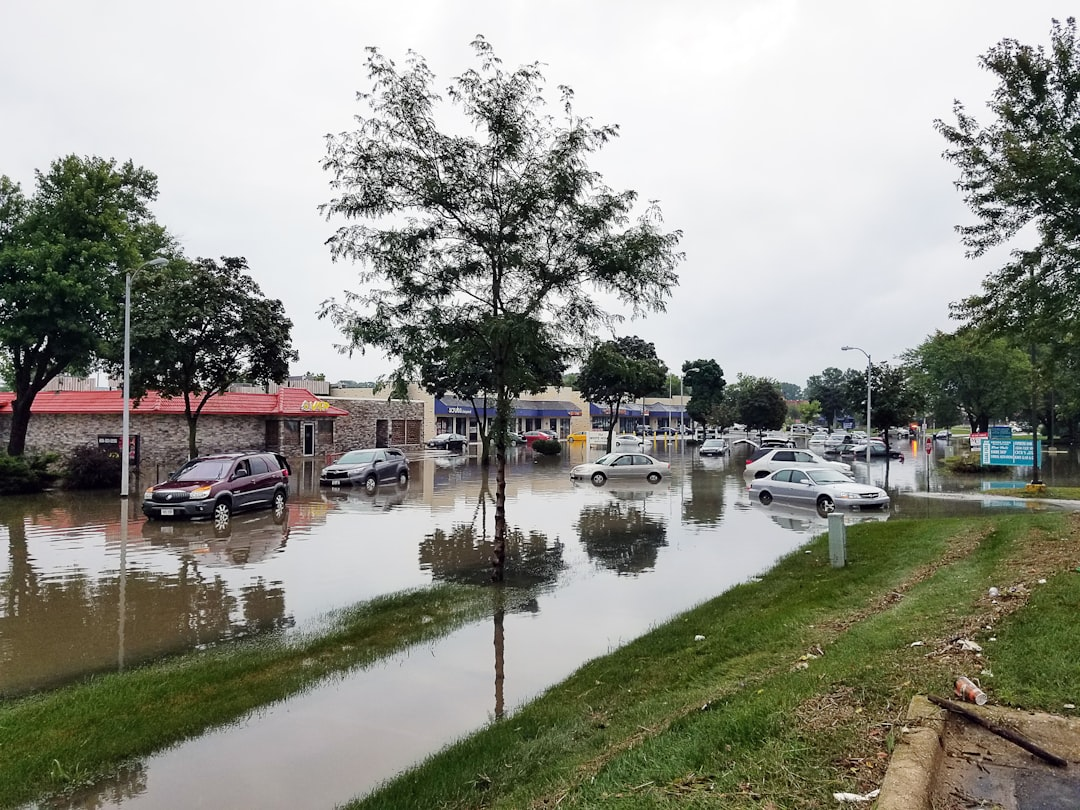
In early 2026, the South Sudan Country Climate Development Report (CCDR) confirmed what logistics operators already knew: extreme flooding is the "new normal." With nearly 25% of the country submerged during peak rainy seasons, the capital city of Juba and regional hubs like Bentiu face a critical challenge in safeguarding their vehicle assets. For organizations managing humanitarian and commercial fleets, the shift toward South Sudan Elevated Parking Solutions has become a survival mandate. These structures are no longer just convenience-based urban features; they are essential defensive assets designed to protect multi-million dollar investments from the rising waters of the White Nile and its tributaries.
The Architecture Of Resilience: Beyond Basic Platforms
Modern South Sudan Elevated Parking Solutions in 2026 have moved far beyond simple concrete pads. Current engineering standards now integrate "Vertical Resilience" to ensure that even during catastrophic 1-in-100-year flood events, the nation’s logistics backbone remains dry.
Structural Raising And Ground-Level Permeability
Instead of solid ground-level foundations that can block natural water flow and exacerbate local flooding, 2026 designs utilize "stilt-based" or "pier-and-beam" systems. These structures raise the primary parking deck between two and four meters above the historical high-water mark.
The ground area beneath these South Sudan Elevated Parking Solutions is often finished with permeable pavers or "Flexbrick" ceramic tiles. This allows surface run-off to seep directly into the soil rather than pooling, effectively turning the parking lot into a localized drainage asset that supports the city's broader sponge-city objectives.
Integrating Fleet Maintenance And Protection
A key innovation in the 2026 rollout of South Sudan Elevated Parking Solutions is the "Hybrid Service Hub" model. Recognizing that stranded vehicles cannot be easily repaired in waterlogged zones, these elevated facilities now include integrated maintenance bays on upper levels.
-
On-Site Diagnostics: Fleet managers can perform routine checks and emergency repairs in a climate-controlled, dry environment.
-
Corrosion Shielding: By keeping vehicles out of the high-humidity ground layer, these facilities significantly reduce the need for Tropical Engine Corrosion Control interventions, extending the operational life of the fleet.
-
Emergency Power: Many of these hubs are equipped with rooftop solar arrays and battery storage, ensuring that security lighting and repair tools remain functional even if the main grid fails during a storm.
Strategic Funding And Regional Connectivity
The construction of these South Sudan Elevated Parking Solutions is increasingly tied to the nation’s "Gold-Backed" infrastructure deals. In February 2026, the South Sudanese government approved a $2 billion sovereign guarantee for a 1,031-kilometer road project. This deal includes the development of strategic "Safe Zones" along the Juba-Yei-Kaya corridor, where elevated parking and logistics hubs serve as the primary refuge for transit fleets during the monsoon season.
For those tracking the rapid evolution of East African logistics and the shift toward sustainable urban planning, AfriCarNews offers real-time updates on how Juba’s "Vision 2035" is integrating these flood-proof technologies into the national transport master plan.
The Future: Smart Parking And Flood Warning
By the end of 2026, the most advanced South Sudan Elevated Parking Solutions are being equipped with automated Early Warning Systems (EWS). Sensors placed along the Nile riverbank transmit real-time water level data directly to fleet management software. When a flood surge is detected, the system automatically triggers an alert for all drivers to relocate vehicles to the nearest elevated facility.
Through a combination of gold-backed financing and climate-smart engineering, South Sudan Elevated Parking Solutions are ensuring that the country's move toward regional prosperity is never washed away.
Do you think the private sector should take the lead in building these elevated hubs, or should they be managed as public-access "safe zones" during flood emergencies? Join the discussion in the comments below!